If your hot water cylinder suddenly stops working (producing hot water) it’s a good Idea to go through a checklist of elimination to determine what the fault is before getting any quotes to repair or even replace your hot water cylinder. Initial understanding of what the problem is can save you lot of cash!!
WHY DON’T I HAVE HOT WATER?
If your hot water cylinder is not producing hot water, one of the reasons could be:
- You are setup on ripple control through your current power provider. If so, your current power provider has the ability to disconnect your Hot water cylinder from the grid during peak times. Give them a ring and find out whether you are. (This is common in the Auckland area)
- Have you checked your switchboard to see if the fuse has blown? You should be able to confirm this visually.

With all electrical fault scenarios, if you are unsure how to investigate / rectify, we strongly recommend asking a professional for assistance. This could be a registered electrician or registered plumber holding a current limited electrical certificate.
WHY HAS THE FUSE BLOWN?
If you have determined that your fuse has blown , there will be a good reason why that has happened in the first place.
This could include the following:

- With tear and wear an immersion element will break down over time eventually causing an electrical short due to a broken circuit. This will lead to an RCD tripping (RCD’s are not common with hot water cylinder) or fuse blowing. Sometimes a new hot water cylinder element can also be faulty as shown in the image here. Within 2 hours this brand new element failed majorly causing a fuse to blow and leaving the homeowners with no hot water.
- Every hot water cylinder incorporates a thermostat that controls the element. Thermostats are designed to ensure the immersion element switches on when the water temperature is below 60 degrees. Unlike older style thermostats, modern versions cannot be set below 60 degrees. Stipulated by law to prevent the growth of legionnaires bacteria. (for alternative systems to manage legionnaires bacteria please follow our blog for upcoming information) Thermostats may fail, turning off the element permanently. Some models incorporate an integrated trip device which can be reset. Caution is advised though because also in this case, there is a reason why the thermostat has tripped in the first place.
CAN MECHANICAL FAULTS RESULT IN “NO HOT WATER”?
Alternative to electrical faults mechanical faults may also result in your hot water cylinder not delivering hot water. The reason we say “delivering” is because your cylinder may still be “producing” hot water but delivery prevented by a different component in the system. One of these components is your tempering valve. (assuming the installation is a compliant one, for more information please visit our blog post Cheap cylinder quotes)
A tempering valve is installed to protect your household from scolding hot water. For a more legal description please download NZBC G12. Most tempering valves incorporate a non-return valve on the hot, cold or both sides (Tempering valves shall comply with NZS 4617 or AS 1357.2) which prevents the hot water from siphoning back into the cold water line. Additionally on both the hot and cold sides the tempering valve includes a miniature style strainer which catches any debris before entering the valve. This is designed to protect the valve from damage and prevent maintain clean delivery. Keeping the above in mind two things can happen with this valve that will prevent your hot water cylinder from delivering hot water to your taps.
- If your cylinder thermostat recently failed then your immersion element would have continued to heat your water to boiling point which can put a lot of strain onto the integral HDPE parts of the tempering valve. Standard tempering valves (not rated for high temperatures such as solar above 99 degrees) incorporate High density Polyethylene parts which are rated to about 99 degrees Celsius. At 99 degrees, depending on age these will start liquefying or breaking down. Once these parts start cooling down again they will fusion preventing further mechanical operation. In this instance we are talking about the non-return valve which will no longer open allowing hot water to travel to its destination.


2. The integral miniature style strainers mentioned above have an approximate straining value of 20 microns. If you are getting a new tempering valve installed on an older system you will most likely get some of the existing lime/sludge/debris caught in the strainer which may initially look like the “pressure” has been reduced but will eventually fully clog to point of blockage.
A new installation involves new pipes, new valves and a new hot water cylinder, all of which can contain debris from the installation, transport or product itself. If the system is not flushed properly at time of the installation this will guaranteed lead to valves blocking preventing hot water delivery.
WHY IS MY HOT WATER CYLINDER OVERFLOW PIPE DRIPPING?
Every hot water cylinder, regardless, whether its mains or low pressure must have a method of  expansion relief. As water is heated its density will decrease requiring more space and creating more pressure. If this pressure is not managed properly your hot water cylinder could/will explode or “burst” once it reaches its maximum rated manufacturing pressure limit. Some additional factors such as incoming pressure will also affect your system pressure as a whole.
I will cover all the valves in different blog posts, for now what you need to know is that.. If the valve is “dripping” (Especially when the cytlinder then its doing what its supposed to. This includes water exiting your relief vent through the roof.
A “drip” is normal whereas as a regular stream or gush may not be. If you are experiencing a stream, gush or heavy drip some of the following reasons may apply:
- A recent increase of pressure may have happened due to utility repairs or improvements.
- Your hot water cylinder is over heating because the thermostat has failed.
- On low pressure systems your incoming pressure is reduced with a pressure reducing valve. This valve may wear down over time eventually allowing more pressure through than the vacuum relief valve (the vacuum relief may also be the cause) or open vent height may be allowed for. In this case maintenance or replacement will be required.
- On mains pressure systems, cold water expansion or temperature relief valves may be faulty, worn out or simply requiring a clean. Both valves have a lever which allows you to open and discharge hot water. Often, doing this may solve the issue as grit may be the offending cause or your excessive drip.
We have listed the most common faults above to ensure you can make an educated decision before taking any action. If you cant find information about the fault you are experiencing on our website, please don’t hesitate to call our friendly technical team at no charge.
For more information on possible faults and remedies please checkout out our most recent blog:
Your Cylinder May Just Need A Repair, Not A Replacement.


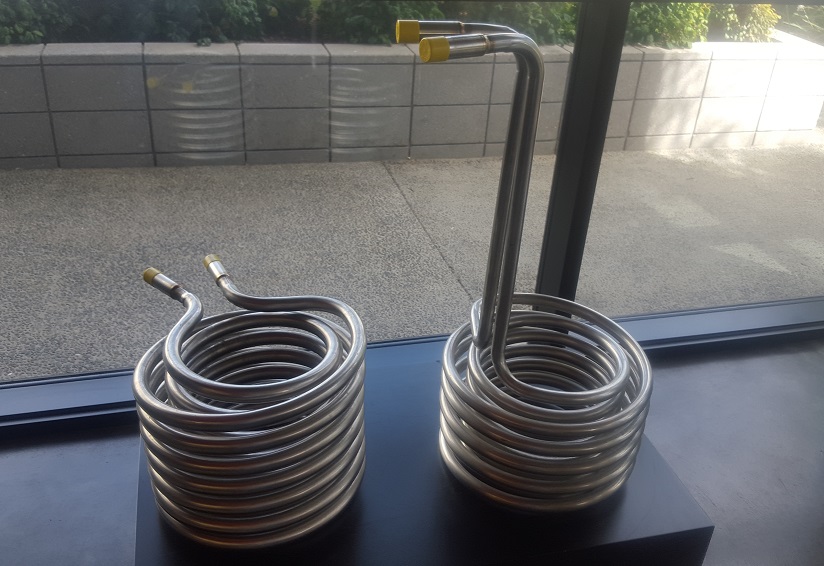


 cylinder also provides bottom entry connections for wetbacks.


